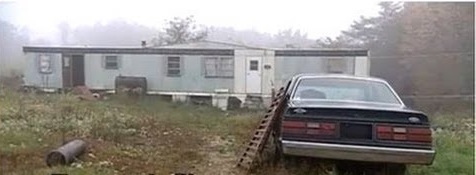
Nestled between Telluride, Placerville, Norwood, Nucla and Naturita rests the San Miguel watershed. Known for its natural beauty there is a harsher reality than most realize for those living along the San Miguel River. Traveling downstream from the affluence of Telluride, the scenery, economy and lifestyles change. Venturing farther from the headwaters, isolation becomes an everyday part of life for the citizens of these smaller, lesser known communities. 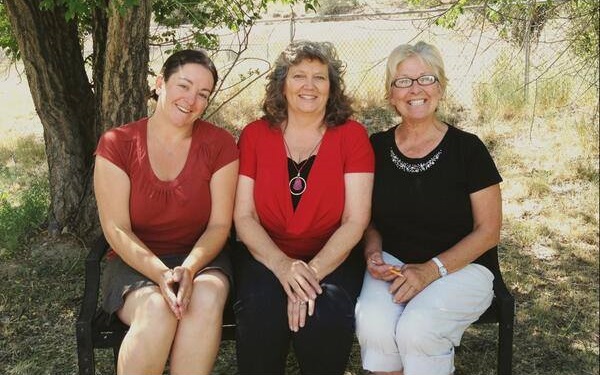 Geographic isolation is nothing new to a dedicated team of Health Navigators. In this underserved region, Navigators help fill the medical void, providing insurance enrollment, biometric testing and wellness classes for populations who would otherwise go without care. As a regional leader in healthcare, Tri-County Health Network (TCHNetwork) has a team of health Navigator’s whose mission is to reshape rural health and healthcare across the country. Although they work individually on a daily basis, the TCHNetwork team brings services to the underserved populations throughout the Westend of Montrose County and Miguel CountyFacing the same inequities, Nucla, Naturita, Norwood Bedrock, Redvale, and Paradox are grouped together into what is considered “The Westend.” As members of the community and dedicated public servants, Navigators understand the importance of both living in and working for their community. There are currently five Navigators positioned in Norwood and Nucla; Deon Tempfer, Veronica “Skitter” Jones, Nicole “Niki” Springer, Michaela Vannest and Thea Wagler.
As a born and raised Westender, Michaela Vannest has been working as an insurance Enrollment Navigator with TCHNetwork since September of 2014. Although her daily routine constantly changes, Michaela’s role in the community is to help qualified children and adults enroll in Medicaid and Child Health Plus (CHP+), as well as managing the Skippy dental program throughout Westend schools twice each year. “Each day is different and it really depends on the daily task. Some days I walk up and down the street, meeting new people and building on my relationships. While other days I meet clients at their house, the library or even my house if necessary.” Michaela understands that since she calls the Westend home, clients are more comfortable working with her rather than someone who does not know the area and culture. “I have an upper hand when it comes to getting them to open up their personal lives to me. The ability to say I am from their town lets my clients put their guard down and I can relate to them, especially when it comes to the controversial and confusing topic of healthcare.” Michaela’s role as an Enrollment Navigator is important to the overall health of the community. Her ability to relate and understand her clients lets them openly discuss personal decisions as it relates to their personal health. Michaela knows how sensitive topics like healthcare and income are to her community. Helping those who are eligible enroll in income based insurance is not an easy feat, and requires patience and understanding in sometimes very stressful environments. With 16% of the population at or below the federal poverty level[1], Michaela knows her work is only just beginning. The challenge for her is to encourage others, who have not yet been enrolled, to come forward and receive her services.
A former Enrollment Navigator, now Health Coverage Guide, Thea Wagler has lived in Nucla for approximately 8 years. Similar to Michaela’s role, Thea educates members of her community and enrolls them in the new health insurance marketplace, Connect for Health Colorado. Although Michaela focuses solely on income based medical insurance (Medicaid and CHP+), Thea helps all members of the community enroll, offering plans that fit their individual and family needs. Similar to her counterpart, Thea’s daily routine constantly changes as she travels to meet with clients. Depending on the daily schedule she meets clients at the Naturita Library, the TCHNetwork office in Norwood or even at their homes. Thea understands the community’s frustrations, “Health insurance is confusing and I have heard from most of my clients that they would not be able to do this without my help.” Perhaps this is why Colorado Health Institute shows that the uninsured rate of Montrose County is 18.5%, with adults who are eligible but not enrolled in Medicaid at 22.7%.[2] With such high uninsured rates, Thea and Michaela both have their work cut out for them. Persistence and determination is often the recipe to help those who shy away from the complex topic of health insurance.
For those who have long lived without medical insurance, it is a “hard sell” convincing some people who attribute this new change to political agendas. In a conservative landscape, much of the population attributes health insurance and its new laws as a liberalist, Pro-Obama movement. Thea clarifies, “It has been tough to explain health insurance to some, especially those that have never had it. Health insurance is a complicated topic and with the negative Obama attitude around here, it has been a tough sell. People get covered, and are still unsure how to use it.” Although Thea and Michaela work desperately to help enroll and educate those in their community, it is still up to the policy holders to determine which plan is best for them and when to seek medical care. Those who have only received medical care in life threatening situations can find it difficult to believe there will not be expensive co-pays and additional costs when they seek routine care. Thea and Michaela’s work in the Westend is attributed both to their character and love of their community, without their help, many of their underserved neighbors would live without the ability to receive affordable healthcare.
Once someone enrolls in medical insurance they are able to receive services from local clinics and other members of TCHNetworks team of Navigators. Patient Health Navigator Veronica “Skitter” Jones assists Basin Clinic patients with lifestyle changes to overcome cardiovascular disease (CVD), high blood pressure, obesity, diabetes and other chronic diseases. Her primary mission is to help each patient meet their individual health goals. Skitter reaches her daily tasks by working one-on-one with Basin Clinic’s chronic disease patients. Educating them on how to take simple steps to adjust their lifestyle and meet not only the prescribed goals set by their doctor but individual goals that the patient sets themselves. Like all of TCHN Navigators, daily schedules change as unforeseen tasks arise. Generally, Skitter checks the daily schedule for each provider, researching the health information for the day’s patients and brings the relevant information to the provider or nurse. In the morning huddle, Skitter will discuss each patient’s plan of care with the doctors and nurses, ensuring they are on the right path. Following each patients doctors visit, she will sit down with the patient to discuss the doctor’s instructions and provide education and referral counseling when necessary.
Skitters services extend not only to the patients she treats but to others who learn lessons on how to live a healthier life. Skitter believes, “If you can help one person improve their health, it can become a generational trend. Parents teach children the good things in life and they continue the education onto other generations.” The education and support she provides to her patients will last generations, improving the health of the community. Montrose county lines up with the rest of Colorado with an obesity rate of 20% (BMI greater than 30) and 46.2% classified as overweight (BMI between 25-30).[3] Understanding the direct health risks obesity has on daily life; high blood pressure, cholesterol, diabetes, can help curb community rates of chronic diseases and even death. Friends and family of those living with chronic diseases tend to understand the toll a lifetime of unhealthy behavior has on someone. Through simple behavior changes; exercising more, eating healthier foods, drinking and smoking less, individuals can decrease their chances of being diagnosed with a chronic disease.
Longtime friends, Skitter refers patients for free community services to Deon Tempfer, Community Health worker (CHW). Based out of Norwood, Deon travels throughout the Westend, providing free biometric testing and education for those who have yet to enroll for insurance coverage or need continued care in a place where services would otherwise be unavailable. Traveling throughout the Westend, Deon understands how difficult house calls can be. Averaging 2.5 persons per square mile, the vastness of the Westend provides a challenge only a dedicated member of the community would happily confront [4].Working from the Norwood office, or out of local libraries, Deon provides education for those living with diabetes, high blood pressure and cardiovascular disease. In addition to her role as a CHW, Deon works as a Senior Service Coordinator for Region 10, assessing seniors who are in need for home health services. In an area without hospice care and elderly services, an increasing percentage of the population is forced to live independently, regardless of their ability to do so. Homemaker services through Region 10 and Montrose County Nursing help the aging population maintain their dignity and remain in their homes.
Deon provides biometric testing for all populations in the Westend, regardless of income, race, disability, etc. Deon tests patients to assess their current heart health status by measuring blood pressure, cholesterol, blood sugar and weight at no cost to the patients. Deon refers those looking for ways to improve their health to healthy living resources such as walking clubs, medical clinics, diabetes management classes and nutrition programs. Similar to Skitter’s role as a PHN, the CHW program helps participants at risk with heart disease and strokes with follow up calls and visits to reassess their risk factors to meet their health goals but operates as a traveling option for those with and without chronic diseases. Deon sums up her work in the Westend the best, “Awhile back, I had a test scheduled for an older gentleman. After arriving at his house, I found him in dire need of critical care. Since there was not an ambulance available at the time, I drove him to Montrose Memorial Hospital myself [from Norwood]. Finding out later he needed an air flight to Denver, which ultimately saved his leg.” It is easy to see how much Deon, Skitter and Michaela care for their community. Providing services to their friends and family keep them motivated to work harder and reach out to more of their neighbors in need.
The Navigators unanimously believe that life in the Westend is a blessing and a curse. The challenge of isolation maintains the small town, rural lifestyle but keeps the convenience of everyday shopping and proximity to comprehensive medical care at an uncomfortable distance. Skitter stresses how the 90 mile, one-way drive to Wal-Mart, grocery stores and ample medical care makes life difficult in the Westend. “Doing that drive in the winter can be treacherous. There is no road maintenance between 7pm and 7 am, so hazardous conditions make that a day drive only. Not to mention, if there is an emergency and someone needs to get serious medical care, how do they get to Montrose in a snow storm?” She suggested that there is a helicopter service to bring people in need to Montrose or other larger hospitals. However, the cost and necessity of travel often scares people away from such a service. Those that have been through the Westend know exactly why the citizens between Norwood and Paradox love it so much. “We get the opportunity to live in the most beautiful, friendliest place in the world” says Skitter. How often do you get to travel 10 minutes and feel like you are in a far off land, away from anything and everyone. The Westend certainly has its hardships but for those who call it home, one can certainly understand the appeal.
* TCHNetwork is excited to hire a new Patient Health Navigator for the Uncompahgre Medical Clinic (UMC). Niki Springer will provide free services for chronic disease patients to maintain their goals for a healthier life*
[1] United States Census.Gov. Montrose County QuickFacts, 2013. http://quickfacts.census.gov/qfd/states/08/08085.html
[2] Colorado Health Institute. County Health Profiles. Colorado Health Institute. Denver, Colorado, 2012. http://www.coloradohealthinstitute.org/data-repository/county-details/montrose
[3] Colorado Department of Public Health & Environment. Colorado Behavioral Risk Factor Surveillance System Survey Data. Denver, Colorado: Colorado Department of State Health Services, 2013.
[4] http://www.chd.dphe.state.co.us/topics.aspx?q=Adult_Health_Data
Erich Lange
AmeriCorp VISTA Volunteer
Tri-County Health Network